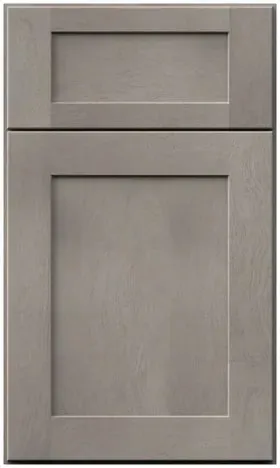


The busiest mechanism in the kitchen: living with Galaxy Horizon trash can pull-outs for ten years
Reviewed September 2026 · Captivating Cabinets
Prices quoted in this article were read off the grid on the review date; the live price grid on this page governs.
Nothing else in a kitchen is opened as often as the bin, and nothing else is opened with dirtier hands, a full chopping board, or a knee. The Galaxy Horizon trash can pull-outs are simple on the day they are fitted: a carrier on Blum runners behind a stained front, in 15, 18 or 21 inches. What makes one good or bad is how it holds up over thousands of openings. This page is about that long life: which parts wear, in what order, what to check in the first month and the tenth year, and how to clean a wood front that sits beside the rubbish without harming the finish.
Seven codes, and the four things that take the wear

The list is short. Three kitchen widths behind a drawer-line front, GHZ TC15 BLUM at $617.50, GHZ TC18 BLUM at $734.50 and GHZ TC21 BLUM at $809.25; the same three widths behind a full-height door at identical prices (GHZ TC15FHD BLUM, TC18FHD BLUM, TC21FHD BLUM); and a bathroom version, GHZ TCV15 BLUM at $708.50, on this page as well as the vanity accessories. Bin count and bin size are not published for any of them, so ask for the code you want before planning around a particular bag.
Whichever you choose, four parts do the ageing: the front, which is pushed and kicked; the runners, which carry the load; the cabinet floor, which takes whatever leaks; and the bins, which are plastic and are handled every day. They wear at different rates and fail in different ways, and each one has a cheap habit that keeps it going.
The front: kicked shut, handled with wet hands
Watch anyone use a bin pull-out for a week and you will see the same thing. It is opened by hand and closed by knee, hip or foot, because the hands are holding peelings. That puts the lower rail of the front and the toe kick below it in the firing line. On a painted door those contacts show as grey scuffs on a flat colour. On a stain the figure of the wood absorbs fine marks better, but repeated contact at one spot will eventually wear through the finish on the edge of the rail.
Two cheap habits help. Close it with the flat of the knee rather than a shoe, which leaves no mark; and when a mark does appear, deal with it that week. Fabuwood does not make spray cans for stained finishes. The Touch Up Kit at $62.40 is a stick, a marker and a scraper, and a small scuff blends into the grain in minutes. Left for a year, the same scuff becomes bare wood that has taken in dirt.
The toe kick under the bin cabinet takes the rest. It is the strip that shoes actually meet, and on a run where the kick is finished to match, it scuffs first and most. Look at it when you look at the front; the kit repairs it the same way.
The pull gets the other kind of wear: it is grabbed with wet, greasy or floury hands. Wipe round it with a cloth dampened in mild soapy water and dry it. Fabuwood asks for mild cleaners only and for spills to be blotted rather than wiped, which on a bin front means dealing with drips when they happen, not at the end of the evening.
The runners: keep them clean and do not overload them
The runners on every one of these codes are Blum, the same family of hardware that runs the drawers in this line. They are made for a long life of opening and closing, and they wear out for two reasons: grit and overloading.
Grit is the everyday one. Crumbs, onion skins and dropped peel fall onto the carrier and down into the runner channels, and a runner full of debris starts to feel rough and then to stick. Every few weeks, with the bins lifted out, run a dry brush or a vacuum nozzle along each runner. That is five minutes and it is most of the maintenance these mechanisms need.
Overloading is the one people do not think about. The maximum load for these carriers is not published. A bin full of wet food waste, a stack of bottles in the recycling side and a person leaning on the open front to reach the back all add up. If the front starts to sit lower when it is open, or the close becomes slow and uneven, the carrier is being asked to do too much. Empty it more often and stop leaning on it; if the drop persists, send us the code and a photo.
The cabinet floor: the part nobody sees until a bag leaks
The box of a bin cabinet is ½″ veneered plywood with a natural finished interior. Plywood copes with the occasional spill far better than particleboard does, which the plywood guide explains, but a slow leak from a split bag that sits for days will mark any wood.
The practical defence is a liner. A thin washable tray or mat, cut to the floor of the cabinet under the carrier, catches the drip and comes out to be rinsed. The store sells a GHZ UNDER SINK MAT at $156.00 for the sink base; whether it suits the floor of a bin cabinet depends on the dimensions, which are not listed, so ask before buying it for this job. A cheap cut-to-size liner does the same work.
Check the floor every time you change the bags for a month, then every few weeks. You are looking for damp, not for damage: the goal is to catch a leak while it is still a wipe.
Year one, year three, year ten
Here is the whole maintenance picture as a timeline, so it can be done in the order things actually happen.
- First month. With the bins full, check the front closes flush and level with its neighbours. A carrier set up empty can sit slightly lower once loaded. Check the bag size you buy actually fits the bins you received.
- Every few weeks. Lift out the bins, brush the runners, wipe the carrier and the floor with a damp cloth and dry them. Wipe round the pull.
- Year one. Look at the lower rail of the front and the toe kick in a raking light. Touch up any wear with the kit before it goes through to bare wood.
- Year three. Check the close. If it has become noisy or uneven, clean the runners thoroughly and look for anything bent. Replace a cracked bin rather than taping it; whether replacements are sold on their own for these codes is not listed, so ask.
- Year ten. A well-kept carrier on Blum runners is typically still working. If it is not, a like-for-like replacement mechanism is the job, not a new cabinet. The lifespan guide covers which cabinet parts wear out first in general.
Cleaning beside the rubbish without harming a stain
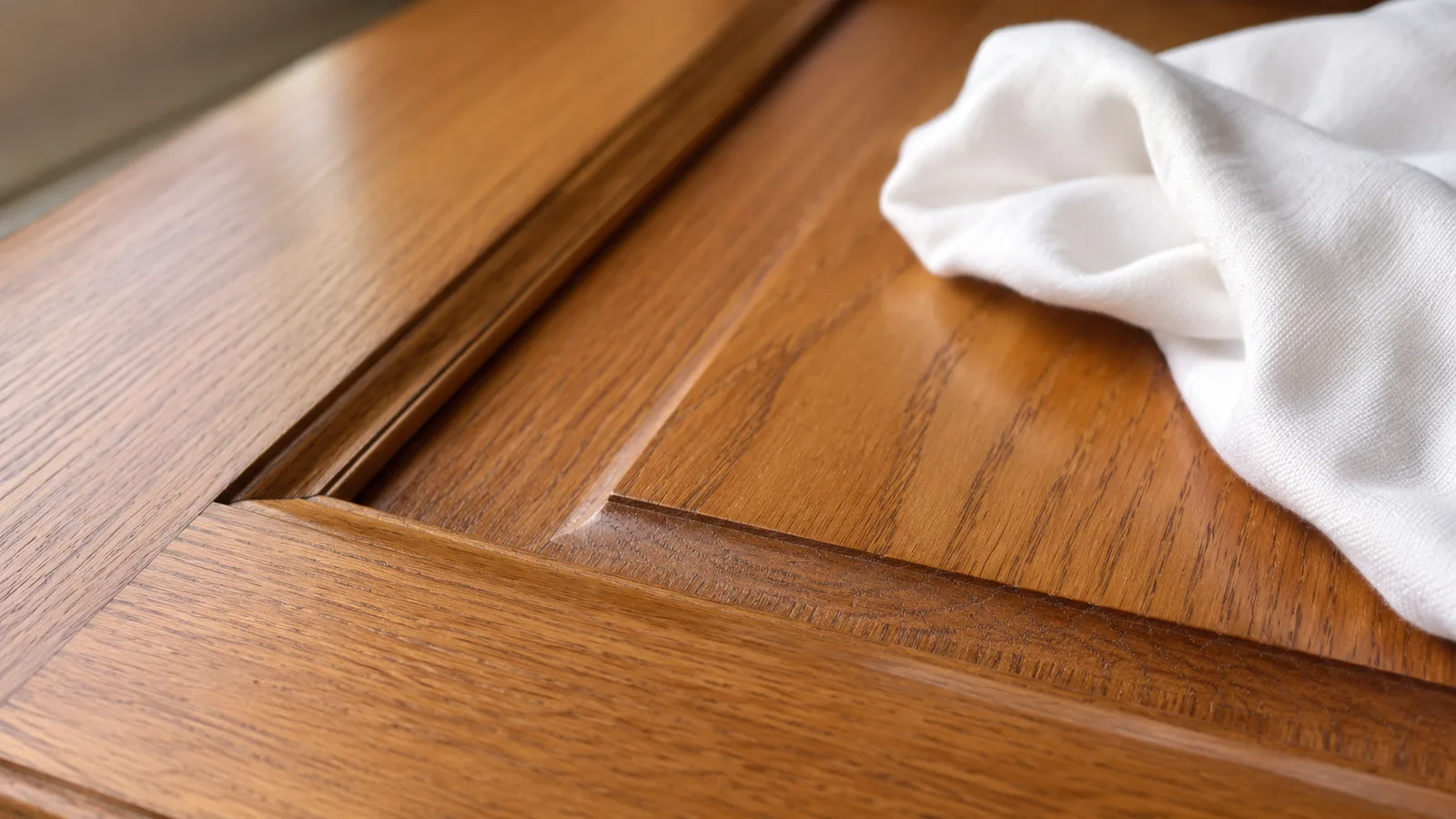
The bin cabinet is where people reach for disinfectant spray, and that is exactly what Fabuwood’s care guidance warns against: never spray cleaners directly onto the wood. Spray onto a cloth, wipe, then follow with a dry cloth. Keep bleach and strong degreasers off the front entirely; Fabuwood’s warranty lists certain household cleaners among the causes of colour change it does not cover.
Inside, where the carrier and the natural-finish box are, the same rule applies with a little more latitude. The bins can be washed as hard as you like, outside the cabinet. The carrier and floor want a damp cloth and a dry one, not a soaking. The cabinet should be dry before the bins go back in.
For the front, the care guide has the full list. The short version: mild soap, damp cloth, wipe with the grain, dry at once.
The bathroom version has an easier life
GHZ TCV15 BLUM at $708.50 is a 15-inch trash pull-out for a vanity. It does the same job with much less wear: it takes tissues and packaging, not wet food, and it is opened a few times a day rather than dozens. The runners stay cleaner, the floor rarely sees liquid, and the front is not kicked shut by someone holding a chopping board. The one thing to watch in a bathroom is steam: wipe condensation off the front rather than letting it dry on the finish.
It also has a different neighbour. A vanity bin usually sits beside the basin cabinet, where splashes from the tap run down the fronts. The same blot-don’t-wipe habit applies, and the same kit repairs a scuffed edge. All seven codes, kitchen and bath, are on the trash pull-out list.
When to replace the mechanism, and when to keep going
A bin pull-out rarely fails all at once. It gets slower, noisier, or starts to sit a little low when open, and the question is whether that is maintenance or replacement. Three signs point to cleaning and adjustment rather than new parts: a rough feel that improves after the runners are brushed; a front that is out of line but moves smoothly; and a soft-close that has become fast after a heavy load was left in overnight.
Three signs point to replacement: a runner that grinds even when clean, a carrier that is visibly bent or cracked, and a front that drops at the open end even when the bins are empty. In those cases the mechanism is the part that has worn, and it is a like-for-like job on the existing cabinet. Send us the code off your original order and photos of the runner and the carrier, and we will tell you what to order. The front, if it has been looked after, goes back on and carries on.
Common questions
- How do you clean a pull-out trash cabinet?
- Every few weeks, lift the bins out, brush or vacuum the runners, wipe the carrier and floor with a damp cloth, and dry them. Wash the bins outside the cabinet. On the front, use mild soap on a cloth and never spray cleaner straight onto the wood.
- Why is my pull-out trash can sticking?
- Usually debris in the runner channels: crumbs and peel that fall past the bins. Brush them out. If it still sticks, or the front sits low when open, the carrier may be overloaded; empty it more often and send us the code and a photo if it does not recover.
- Can you buy replacement bins for a trash pull-out?
- Bin sizes and whether replacements are sold separately are not listed for these codes. Ask with the code on your order (for example GHZ TC18 BLUM) and we will check.
- How do you fix scuffs on the bottom of a stained cabinet door?
- With a touch-up kit, not paint; Fabuwood makes no spray cans for stained finishes. The store’s Touch Up Kit at $62.40 is a stick, a marker and a scraper. Close the bin with your knee rather than a shoe to stop the marks coming back.
- How much is a trash can pull-out?
- $617.50 for 15 inches, $734.50 for 18 and $809.25 for 21, the same whether it sits behind a drawer-line front or a full-height door. The 15-inch vanity version is $708.50.
- Should I put a mat under a trash pull-out?
- A thin washable liner cut to the cabinet floor is worth having, because it catches drips from a split bag before they reach the wood. Whether the store’s under-sink mat suits a bin cabinet depends on its dimensions, which are not listed, so ask first.
Keep reading
The guides behind the numbers on this page.
- How to Clean and Care for Your Kitchen Cabinets
Which cleaners are safe on a stained front beside the bin.
- Furniture Board vs Plywood Cabinets: Strength, Moisture, and Cost
How a plywood box copes with a leak compared with particleboard.
- How Long Do Kitchen Cabinets Last?
Runners, hinges and finishes, and the order they wear out.
- Brown Kitchen Cabinets: Stains, Shades & Pairings
Why a scuff on a stain blends, and how the kit repairs it.
- Fabuwood Cabinet Accessories: Lazy Susans, Trash Pull-Outs, Drawer Inserts and Blind Corners
Photographs of the bin pull-out behind each type of front.
- Free 3D Kitchen Design
A designer replies within one business day; the full drawing and quote follow in 24–48 hours.


